
What Weight Paper For Brochure
What Weight Paper For Brochure - Lighter weights are suitable for handouts and mailings,. Weighing up the paper options. Whatever the weight of the paper you choose, the finish has a vital role to play. A popular choice for standard. Tangible marketing materials, such as. This really boils down to preference, but in general, here is a quick guide: • what weight of paper do you want to use? Here is a quick guide to the different types of paper weights for brochures that we offer at copymage: Paper stock selection affects everything. The weight of paper will go some way to. The weight of paper will go some way to. The approximate weight of a publication can be determined based on the. The answer would depend on what you need. Here are some things to weigh (pun intended) when choosing the best type of brochure paper weight: Choosing the right paper stock involves. What is the best paper weight for brochures? Common weights for brochures include:. The most common heavy weight for text paper but still much more pliable than cardstock. Whether you are designing business cards, brochures, invitations, or flyers, the types of paper you print on affect how your final piece looks, feels, and even how long it lasts. Luckily for you, we have a list of the best paper weights to use. • what weight of paper do you want to use? Common weights for brochures include:. How do you choose the best paper weight for your. Whether you are designing business cards, brochures, invitations, or flyers, the types of paper you print on affect how your final piece looks, feels, and even how long it lasts. Paper stock selection affects everything. Whether you are designing business cards, brochures, invitations, or flyers, the types of paper you print on affect how your final piece looks, feels, and even how long it lasts. If, for example, you need something that can lay flat on a surface, a thinner paper stock. Here are some things to weigh (pun intended) when choosing the best type. To ensure your brochure stands out, it’s important to select the paper stock that best aligns with your brand and purpose. Or, are you printing business cards/postcards? You can also use 80 lb or 100 lb. Whether you are designing business cards, brochures, invitations, or flyers, the types of paper you print on affect how your final piece looks, feels,. There are two main types of paper weight for. Weight, finish, texture—all impact perception of your brand presentation. You can also use 80 lb or 100 lb. It’s the silent ambassador of. Whatever the weight of the paper you choose, the finish has a vital role to play. To calculate brochure weight, enter the document size, quantity, paper weight, and number of pages. Common weights for brochures include:. • will you decide to coat the paper or leave it uncoated? This really boils down to preference, but in general, here is a quick guide: You can also use 80 lb or 100 lb. There are two main types of paper weight for. What is the best paper weight for brochures? Lighter weights are suitable for handouts and mailings,. Paper weight, often measured in gsm (grams per square meter), determines the thickness and sturdiness of the paper. Weighing up the paper options. The weight of paper will go some way to. Weighing up the paper options. Tangible marketing materials, such as. It affects the quality, feel, and appearance of your final product. How do you choose the best paper weight for your. Selecting the appropriate paper weight is crucial for the functionality of your brochures. But when deciding on the best paper to print brochures on, there's more to it than just the weight. • will you decide to coat the paper or leave it uncoated? Are you printing booklets, brochures, or invitations? So what paper weight is right for you? You can also use 80 lb or 100 lb. So what paper weight is right for you? Learn which paper weight to choose and whether a gloss, matte or uncoated paper is the best choice for you. But when deciding on the best paper to print brochures on, there's more to it than just the weight. There are two main. The approximate weight of a publication can be determined based on the. But when deciding on the best paper to print brochures on, there's more to it than just the weight. A popular choice for standard. Weight, finish, texture—all impact perception of your brand presentation. Weighing up the paper options. • will you decide to coat the paper or leave it uncoated? Weighing up the paper options. Whether you're producing business cards, brochures, or books, understanding how different paper weights affect durability, appearance, and functionality is essential. Choosing the right paper stock involves. Here is a quick guide to the different types of paper weights for brochures that we offer at copymage: What is the best paper weight for brochures? Most people prefer to use text paper as their paper of choice for brochures and flyers, as text paper is a thicker, sturdier form of cardstock. This really boils down to preference, but in general, here is a quick guide: • what weight of paper do you want to use? It affects the quality, feel, and appearance of your final product. There are two main types of paper weight for. The weight of paper will go some way to. Tangible marketing materials, such as. So what paper weight is right for you? How do you choose the best paper weight for your. This is the standard weight option for flyers, brochures, menus.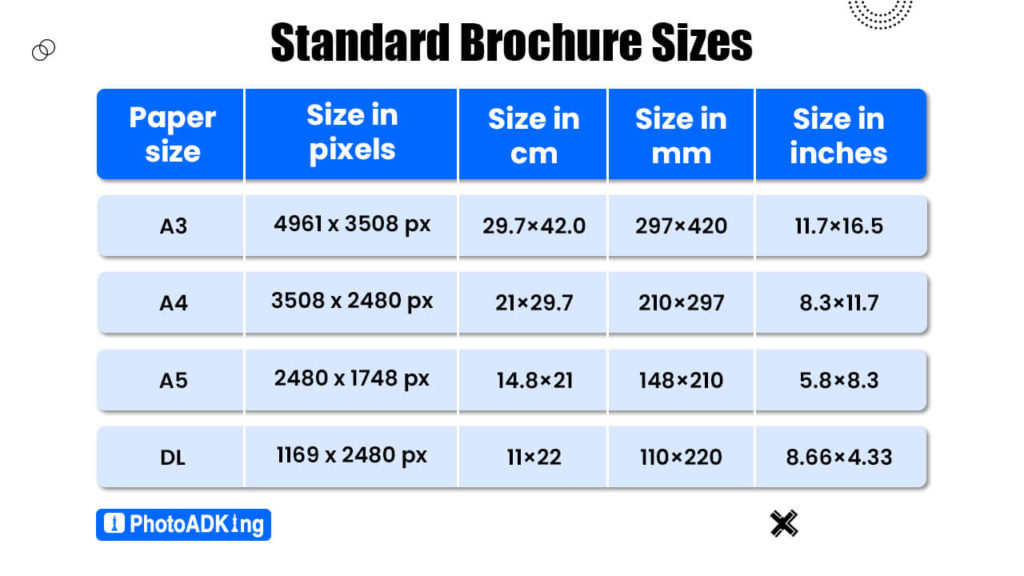
Standard Brochure Sizes and Dimensions
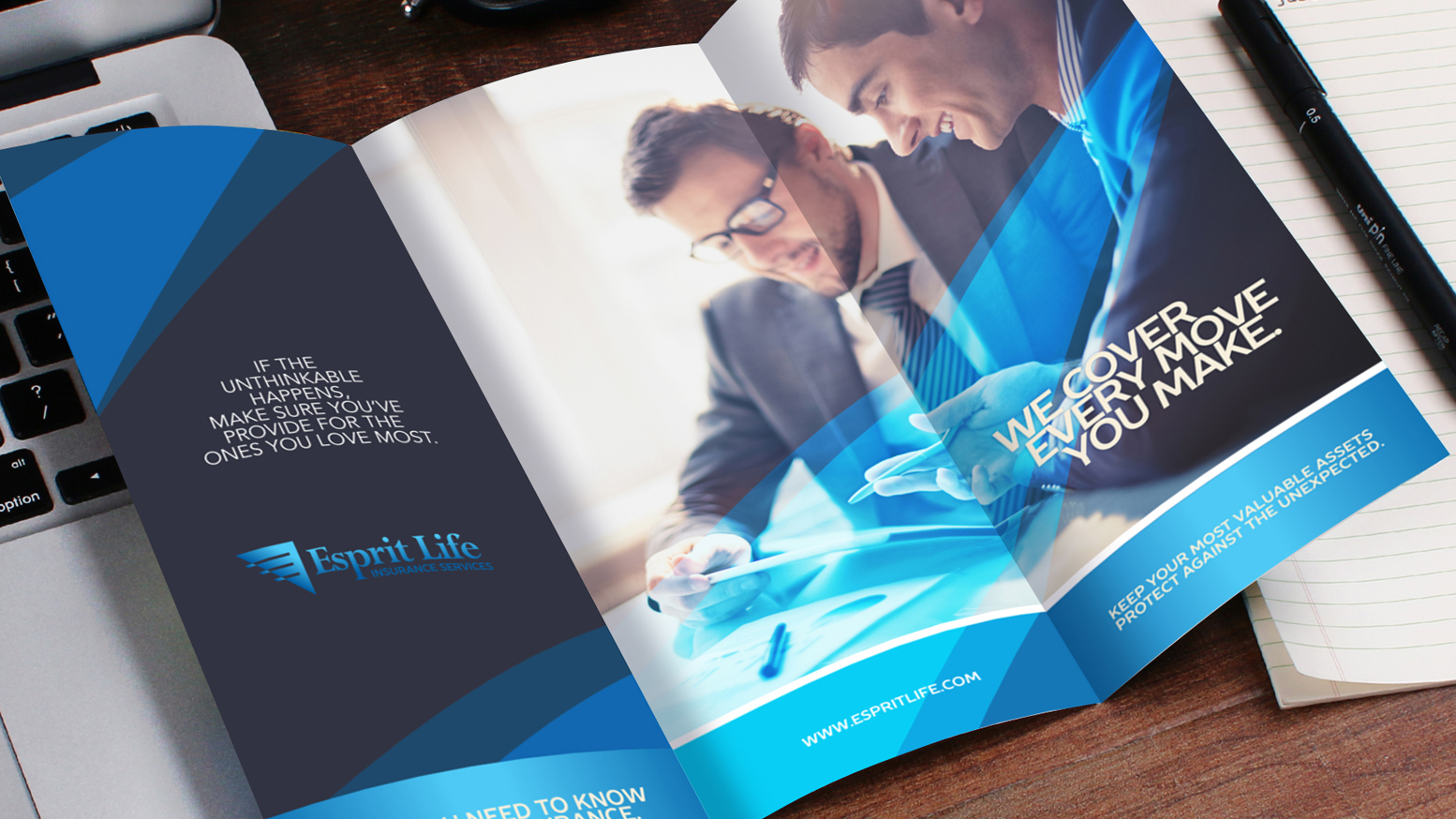
The Ultimate Brochure Paper Guide Confusing Terms Explained

Discover The Exact Dimensions What Size Is Half A Sheet Of Paper?
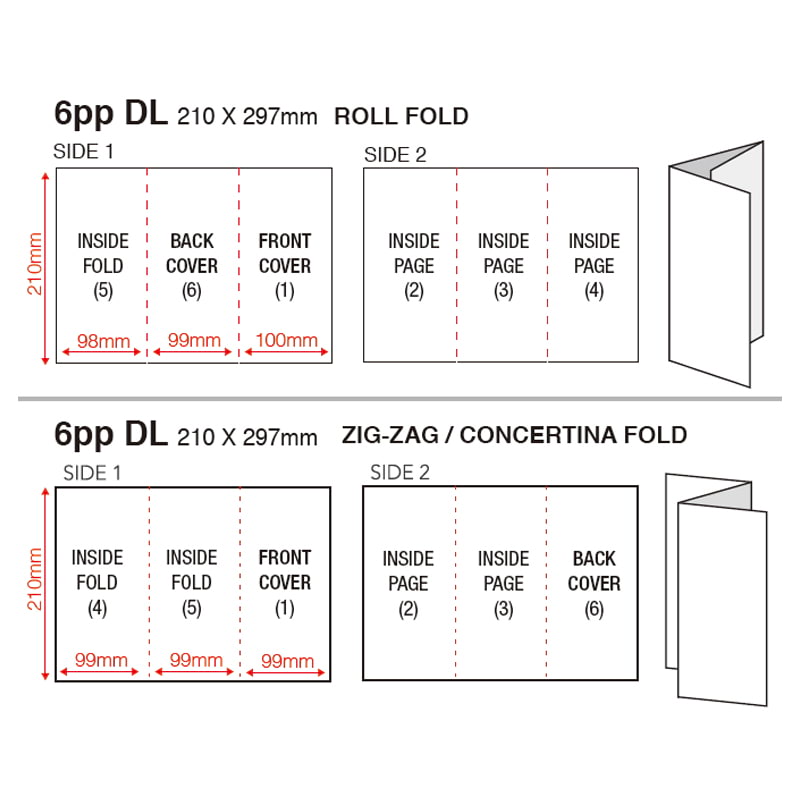
Tri Fold Brochure Template Dimensions

Paper Weight Guide
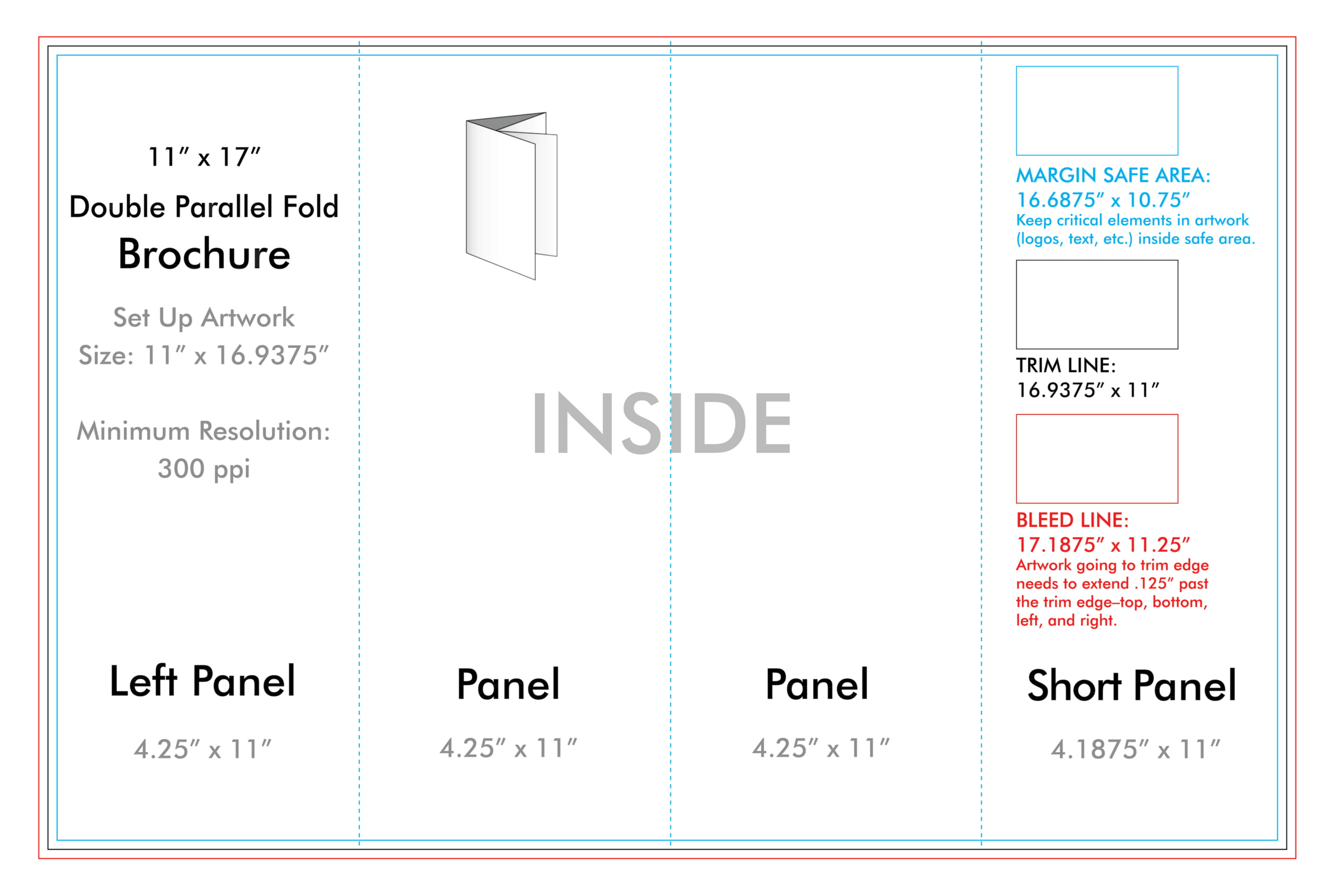
11" x 17" Double Parallel Brochure Template U.S. Press
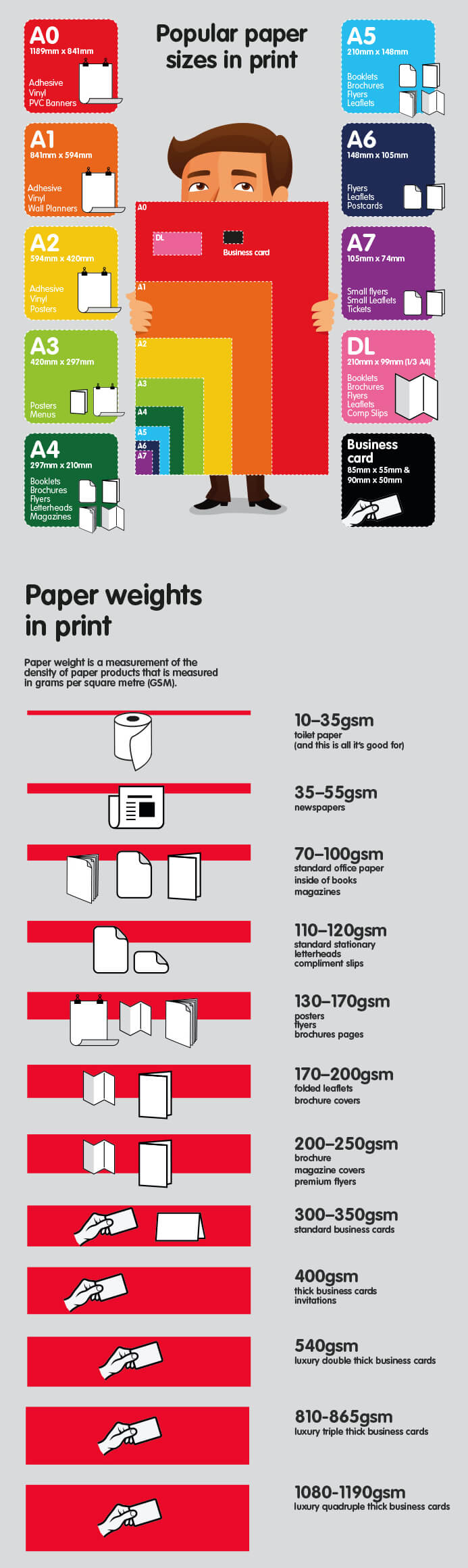
Paper Weight Paper Thickness Paper Weight Guide

A guide to paper weights for print brochures Digital Printing
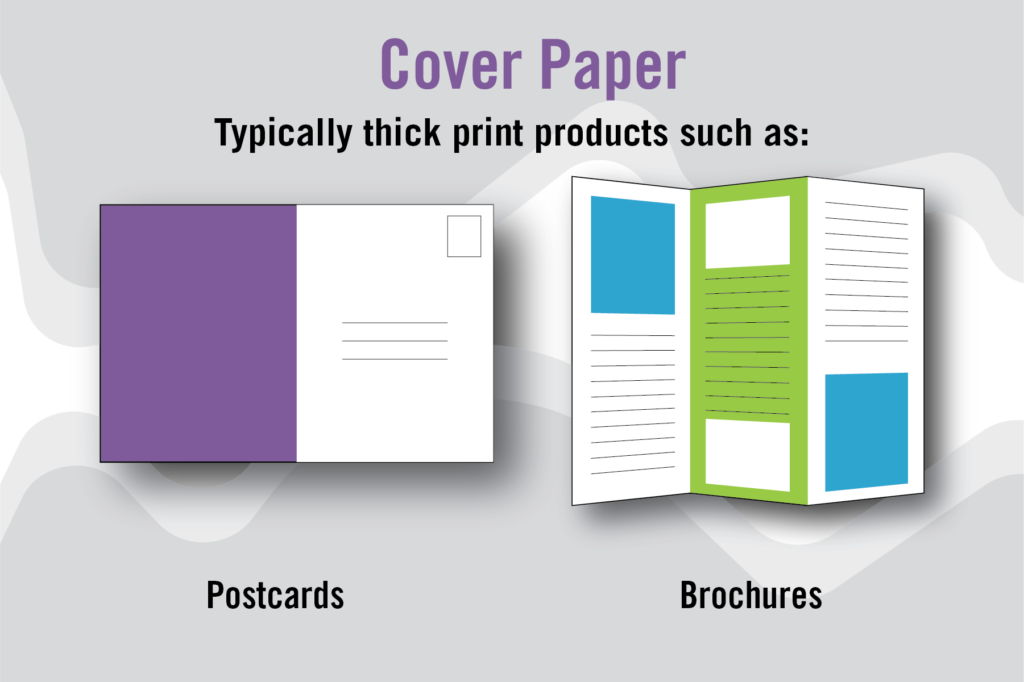
The Ultimate Guide to Understanding Paper Weight Poor Richard’s Press

Brochure Size 101 A Beginner's Guide
Whatever The Weight Of The Paper You Choose, The Finish Has A Vital Role To Play.
Paper Stock Selection Affects Everything.
Weight, Finish, Texture—All Impact Perception Of Your Brand Presentation.
You Can Also Use 80 Lb Or 100 Lb.
Related Post: