
Thick Paper For Brochure
Thick Paper For Brochure - Learn how to choose the perfect paper for your brochure and make a lasting impression with your marketing materials. The lightest and most cost effective paper weight for brochures is 70 lb text. You will want something durable and premium. A luxury hotel brochure may require thick, glossy paper, while an educational handout can use lighter, matte paper. Common finishes include glossy, matte, and satin, each offering a distinct look and feel. Follow this guide to learn the best practices for picking out the best paper for your brochure. Similar to cardboard, this type of paper is the thickest but also the most resistant. To choose the best type of paper for printing your project, consider factors like finish, thickness and cardstock paper weight. Our paper weight chart will help you to compare different paper thickness and find the right one for your print project. It is generally used to design the cover of the brochure, to stiffen the whole document while protecting the inside pages. The bigger the value, the thicker the paper. Similar to cardboard, this type of paper is the thickest but also the most resistant. When choosing the best brochure paper, several factors come into play, including the desired finish, weight, and design requirements. Paper stock and card stock. Use uncoated paper so it’s easy to write on. This paper is similar to the type of paper you would find in a book. Dive into our comprehensive guide, exploring paper types, finishes, and weights. Common finishes include glossy, matte, and satin, each offering a distinct look and feel. In this post, we will differentiate paper by types, thickness, weight, bond, and application. Discover specialty papers like pearlescent, colored and textured papers and how they might be used for your brochure You will want something durable and premium. Similar to cardboard, this type of paper is the thickest but also the most resistant. The bigger the paper, the better the quality and feel. It is generally used to design the cover of the brochure, to stiffen the whole document while protecting the inside pages. There’s also functional aspects to consider, as. Or #) as a way of identifying paper thickness. To choose the best type of paper for printing your project, consider factors like finish, thickness and cardstock paper weight. When choosing the best brochure paper, several factors come into play, including the desired finish, weight, and design requirements. In this post, we will differentiate paper by types, thickness, weight, bond,. Therefore, it can be flimsy and easier to rip. Popular sizes for brochures include 8.5 inches by 11 inches, 8.5 inches by 14 inches, and 11 inches by 17 inches. The most popular and useful paper sizes for brochures are 8.5 inches by 11 inches, 8.5 inches by 14 inches, and 11 inches by 17 inches. Or ) as a. However, if you want to make a thick brochure with more than two folds, the 70 lb text is a good option. The bigger the value, the thicker the paper. Common finishes include glossy, matte, and satin, each offering a distinct look and feel. Whether you opt for glossy, matte, or uncoated paper, ensure it aligns with your. The best. Whether you opt for glossy, matte, or uncoated paper, ensure it aligns with your. Check out this article on how to choose the best paper for brochures. To choose the best type of paper for printing your project, consider factors like finish, thickness and cardstock paper weight. Or #) as a way of identifying paper thickness. Choose durable paper if. The bigger the paper, the better the quality and feel. Learn which paper weight to choose and whether a gloss, matte or uncoated paper is the best choice for you. If you’re wondering about the best type of paper for brochures, the easy answer is that most brochures will look and feel good when they’re printed on 100 lb silk. It is generally used to design the cover of the brochure, to stiffen the whole document while protecting the inside pages. There are two main types of paper weight for brochures: By carefully choosing the appropriate stock, you can ensure your brochure reflects the quality and professionalism of your brand. The thickness of the paper is known as paper density.. Before selecting a paper type, consider the purpose of your print. Our paper weight chart will help you to compare different paper thickness and find the right one for your print project. The bigger the value, the thicker the paper. There’s also functional aspects to consider, as thicker paper enhances durability and increases design options, like dark inks. The weight. You can experiment with diverse sizes, but these look good, fold well, and fit easily into brochure racks, stack cleanly on stands, and can fit in briefcases, handbags, and so on. Choose durable paper if the brochure will be handled frequently. The lightest and most cost effective paper weight for brochures is 70 lb text. The bigger the value, the. Again, not suitable in brochure printing. By carefully choosing the appropriate stock, you can ensure your brochure reflects the quality and professionalism of your brand. Paper stock and card stock. If you’re wondering about the best type of paper for brochures, the easy answer is that most brochures will look and feel good when they’re printed on 100 lb silk. There are two main types of paper weight for brochures: To choose the best type of paper for printing your project, consider factors like finish, thickness and cardstock paper weight. Ideal for company brochures and detailed catalogues. When you're creating an online marketing campaign, there's so. The thickness of the paper is known as paper density. When choosing the best brochure paper, several factors come into play, including the desired finish, weight, and design requirements. If you’re wondering about the best type of paper for brochures, the easy answer is that most brochures will look and feel good when they’re printed on 100 lb silk text. Our paper weight chart will help you to compare different paper thickness and find the right one for your print project. Choosing the best paper for printing brochures depends on your specific needs, including the brochure's purpose, desired aesthetics, and budget. Choose durable paper if the brochure will be handled frequently. Paper stock is thinner than card stocks and uses pound (lb. The weight of the paper is typically determined by the total weight of nearly 500 sheets of any paper size in. It is generally used to design the cover of the brochure, to stiffen the whole document while protecting the inside pages. Paper weight is measured in grams per square metre (gsm). However, if you want to make a thick brochure with more than two folds, the 70 lb text is a good option. Selecting the right paper thickness and type for your brochure is essential for creating a lasting impression.
Buy PPD 50 Sheets A4 Inkjet Brochure Flyer Paper 140gsm Double Sided
![[50100 sheets/ Pk] MATT White 100gsm (Paperone)/ 160gsm/ 190gsm](https://img.lazcdn.com/g/p/d1cce632dd96848f674ee36b3544d01a.jpg_720x720q80.jpg)
[50100 sheets/ Pk] MATT White 100gsm (Paperone)/ 160gsm/ 190gsm
White Thick Paper Cardstock for Brochure, Invitations, Stationary
What Type of Brochure Paper Should I Use? CMYK PH
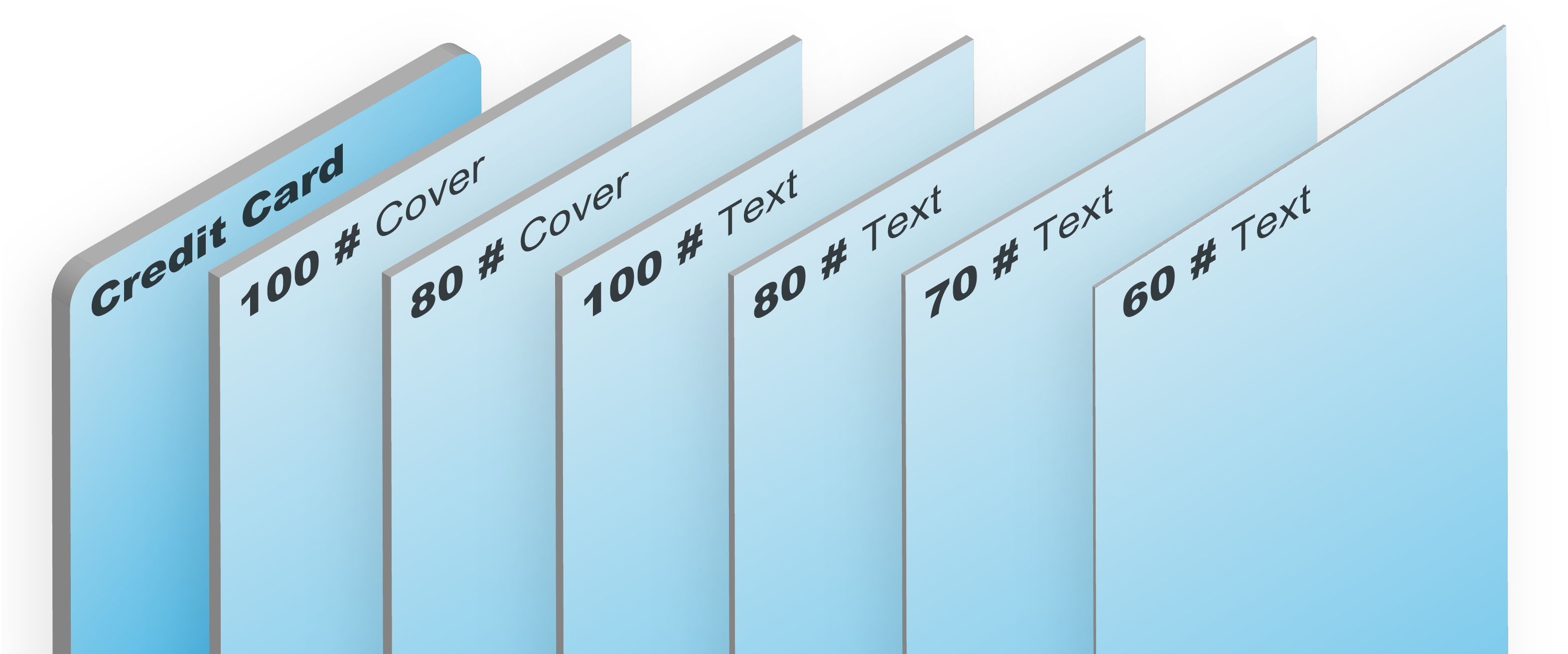
Custom Brochure Printing PrintingCenterUSA

Office Depot Professional Brochure And Flyer Paper, Glossy
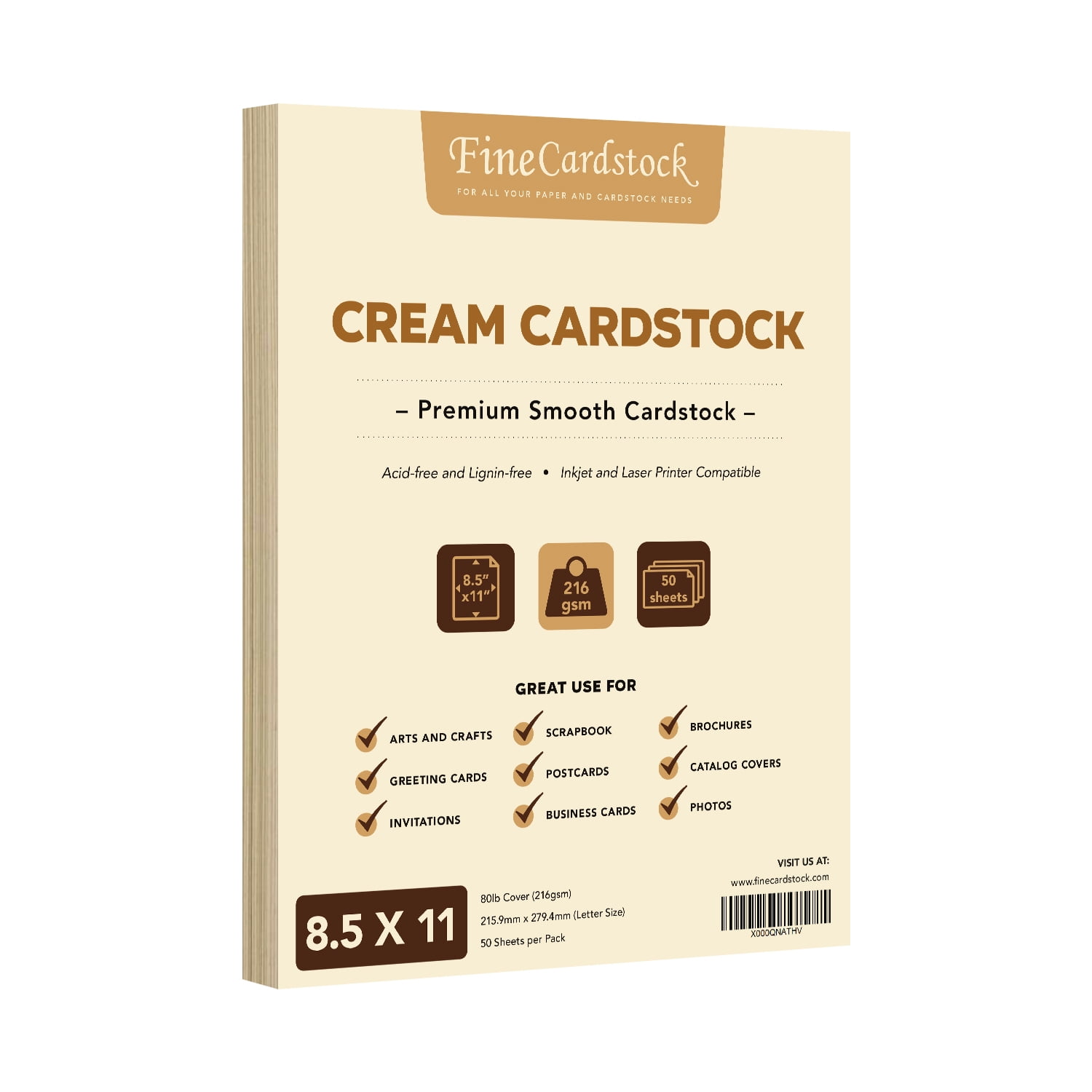
Cream Thick Paper Cardstock for Brochure, Invitations, Stationary
Hamilco White Cardstock Thick Paper 8 1/2 x 11" Blank Heavy Weight

Custom A4 Brochures Folded Flyers 6PP Full Color Thick Paper Printing

Cream Cardstock Thick Paper 100 Sheets, Ohuhu 8.5" x 11" Heavyweight 80
Dive Into Our Comprehensive Guide, Exploring Paper Types, Finishes, And Weights.
The Lightest And Most Cost Effective Paper Weight For Brochures Is 70 Lb Text.
You Can Experiment With Diverse Sizes, But These Look Good, Fold Well, And Fit Easily Into Brochure Racks, Stack Cleanly On Stands, And Can Fit In Briefcases, Handbags, And So On.
The Best Type Of Paper For Brochures Is Typically 100 Lb Silk Text, As It Offers A Light Feel, Proper Readability, And Optimal Picture Quality.
Related Post: