
Macromolecules Brochure
Macromolecules Brochure - This activity includes a template (students copy anything that is in bold lettering onto a blank piece of white paper, and fill in the rest either with notes, reading the biology book, online research,. In this chapter, we’ll first consider how macromolecules are built. All macromolecules have carbon as their main element. Carbohydrates, lipids, proteins, and nucleic acids. The four macromolecules you will be required to know about for this course are carbohydrates, proteins , lipids and nucleic acids. You want the students you work with to understand the relationship between the four categories of biological macromolecules and the food they eat. Explore the essential roles and structures of carbohydrates, proteins, lipids, and nucleic acids in metabolism and nutrition. The pamphlet has 6 sides/pages and needs to contain the. Essential to all living organisms, macromolecules. Each of these four has their own unique chemical structure and their own specific function. With a blank piece of white paper, you will create a brochure outlining what you. Understand how carbohydrates are used in plants and animals as structural molecules. Prepare a brochure or flyer that clearly and. The pamphlet has 6 sides/pages and needs to contain the. Each of these four has their own unique chemical structure and their own specific function. The four important classes of. Chemical molecules important to biology (biological molecules) are sometimes called macromolecules because they are large (‘macro’ means large). Biological macromolecules are very large molecules created by the polymerization of small units called monomers. The four macromolecules you will be required to know about for this course are carbohydrates, proteins , lipids and nucleic acids. Explore the essential roles and structures of carbohydrates, proteins, lipids, and nucleic acids in metabolism and nutrition. There are 4 major biological macromolecules: You want the students you work with to understand the relationship between the four categories of biological macromolecules and the food they eat. Proteins, lipids, carbohydrates, and nucleic acids. _____ macromolecules brochure project directions: Biological macromolecules are very large molecules created by the polymerization of small units called monomers. Each of these four has their own unique chemical structure and their own specific function. Biological macromolecules are very large molecules created by the polymerization of small units called monomers. Explore the essential roles and structures of carbohydrates, proteins, lipids, and nucleic acids in metabolism and nutrition. Macromolecules are large structures made up of atoms and smaller molecular structures. You. Macromolecules are large structures made up of atoms and smaller molecular structures. _____ macromolecules brochure project directions: Carbohydrates, lipids, proteins, and nucleic acids. • these large macromolecules may consist of thousands of covalently bonded atoms, some with mass greater than 100,000. Biological macromolecules are very large molecules created by the polymerization of small units called monomers. The pamphlet has 6 sides/pages and needs to contain the. There are 4 major biological macromolecules: Each of these four has their own unique chemical structure and their own specific function. Prepare a brochure or flyer that clearly and. Understanding the four main classes of biological macromolecules—carbohydrates, proteins, nucleic acids, and lipids—illuminates their diverse. In this chapter, we’ll first consider how macromolecules are built. The four important classes of. Chemical molecules important to biology (biological molecules) are sometimes called macromolecules because they are large (‘macro’ means large). You will create an informational pamphlet which focuses on the 4 large biological molecules. The four main macromolecules are nucleic acids, proteins, carbohydrates, and lipids. They carry out crucial tasks include supporting the structure, serving as a reservoir for. Carbohydrates, lipids, proteins, and nucleic acids. Chemical molecules important to biology (biological molecules) are sometimes called macromolecules because they are large (‘macro’ means large). Explore the essential roles and structures of carbohydrates, proteins, lipids, and nucleic acids in metabolism and nutrition. With a blank piece of. Prepare a brochure or flyer that clearly and. Understanding the four main classes of biological macromolecules—carbohydrates, proteins, nucleic acids, and lipids—illuminates their diverse. The pamphlet has 6 sides/pages and needs to contain the. The four important classes of. With a blank piece of white paper, you will create a brochure outlining what you. Essential to all living organisms, macromolecules. The pamphlet has 6 sides/pages and needs to contain the. Understanding the four main classes of biological macromolecules—carbohydrates, proteins, nucleic acids, and lipids—illuminates their diverse. Then we’ll examine the structure and function of all four classes of large biological molecules: • these large macromolecules may consist of thousands of covalently bonded atoms, some with. • these large macromolecules may consist of thousands of covalently bonded atoms, some with mass greater than 100,000. In this chapter, we’ll first consider how macromolecules are built. The four macromolecules you will be required to know about for this course are carbohydrates, proteins , lipids and nucleic acids. Then we’ll examine the structure and function of all four classes. Understand how carbohydrates are used in plants and animals as structural molecules. You want the students you work with to understand the relationship between the four categories of biological macromolecules and the food they eat. With a blank piece of white paper, you will create a brochure outlining what you. Understanding the four main classes of biological macromolecules—carbohydrates, proteins, nucleic. You want the students you work with to understand the relationship between the four categories of biological macromolecules and the food they eat. Essential to all living organisms, macromolecules. This activity includes a template (students copy anything that is in bold lettering onto a blank piece of white paper, and fill in the rest either with notes, reading the biology book, online research,. Explore the essential roles and structures of carbohydrates, proteins, lipids, and nucleic acids in metabolism and nutrition. They carry out crucial tasks include supporting the structure, serving as a reservoir for. Then we’ll examine the structure and function of all four classes of large biological molecules: Understanding the four main classes of biological macromolecules—carbohydrates, proteins, nucleic acids, and lipids—illuminates their diverse. Prepare a brochure or flyer that clearly and. In this chapter, we’ll first consider how macromolecules are built. Chemical molecules important to biology (biological molecules) are sometimes called macromolecules because they are large (‘macro’ means large). Understand how carbohydrates are used in plants and animals as structural molecules. Proteins, lipids, carbohydrates, and nucleic acids. Biological macromolecules are very large molecules created by the polymerization of small units called monomers. • these large macromolecules may consist of thousands of covalently bonded atoms, some with mass greater than 100,000. Each of these four has their own unique chemical structure and their own specific function. All macromolecules have carbon as their main element.1b Intro to Macromolecules COMPLETE PDF Macromolecules Hydrolysis
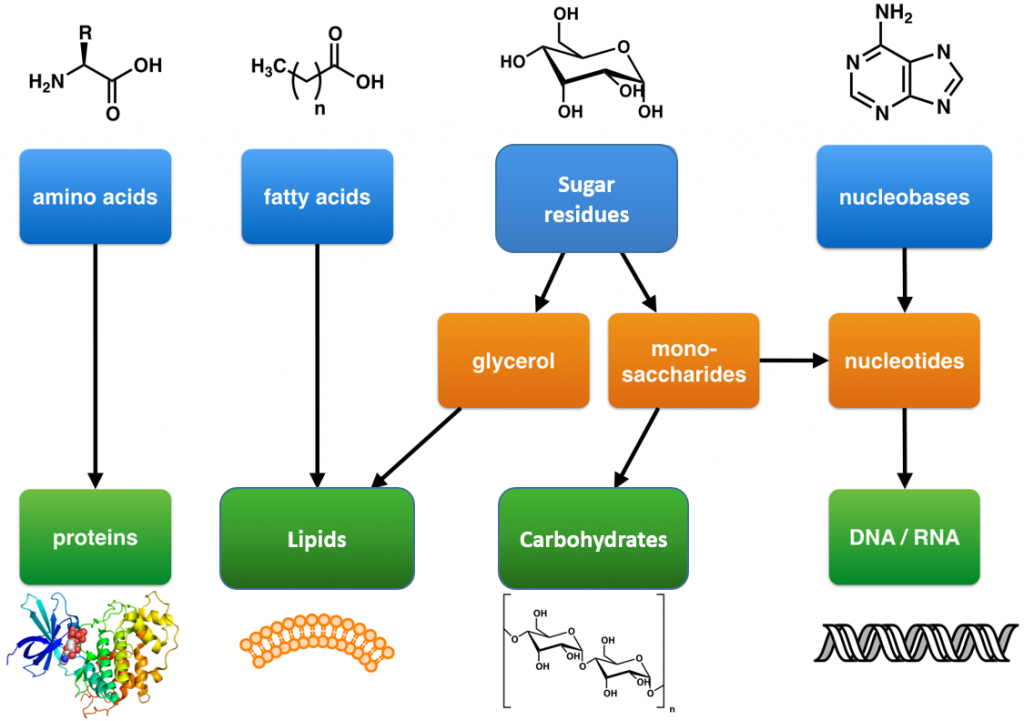
CH103 Chapter 8 The Major Macromolecules Chemistry
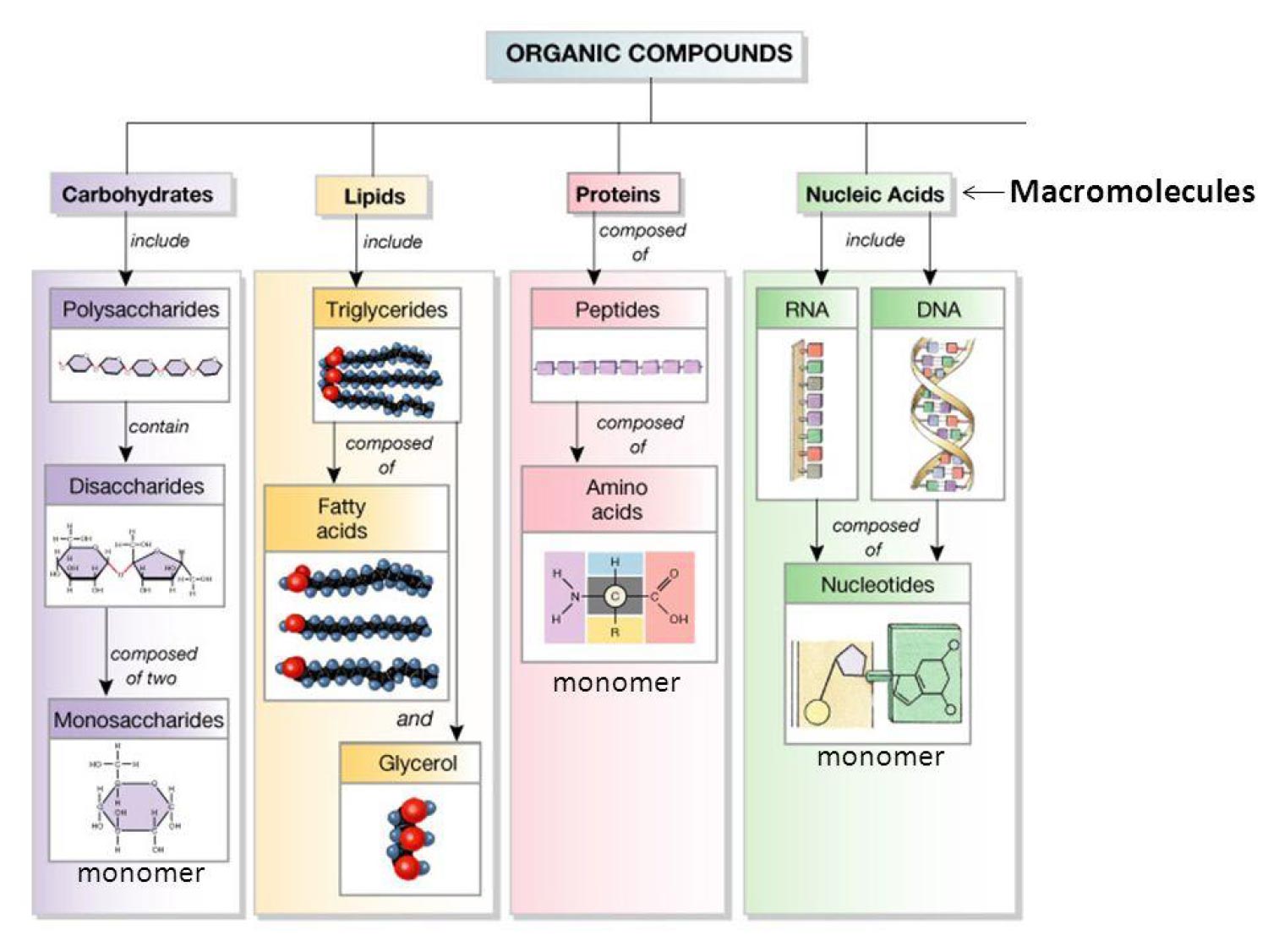
Science Rendezvous » Candy DNA Exploring Biological Macromolecules

Macromolecules Chart Structure and Components
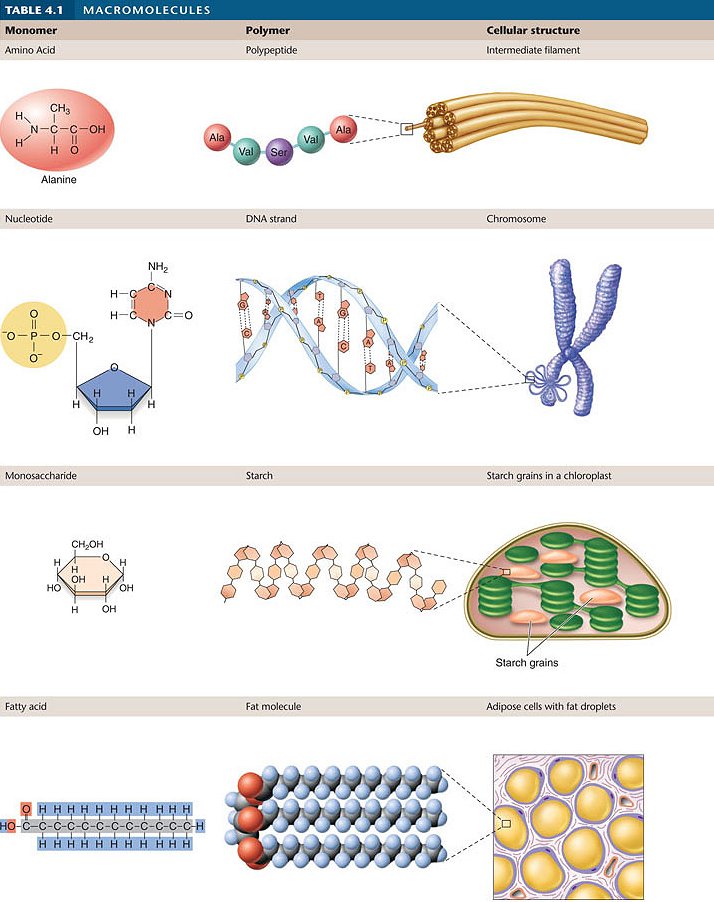
What Are The Different Macromolecules

Macromolecules Definition, Types, Examples
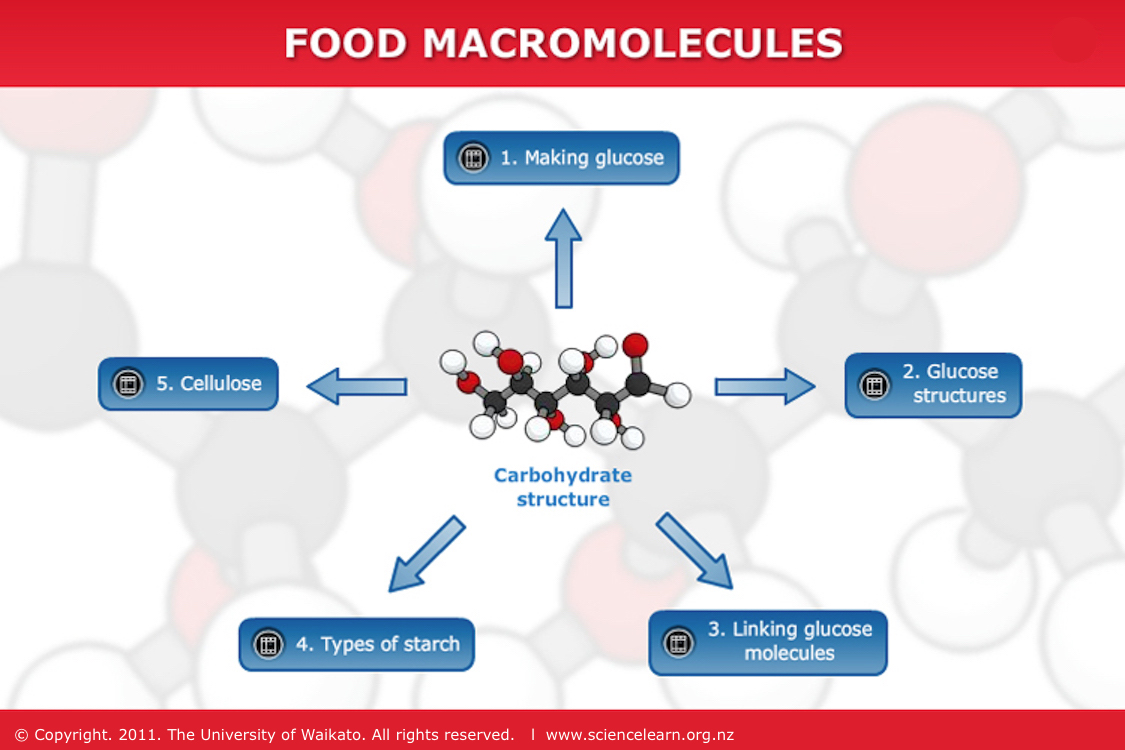
Food macromolecules — Science Learning Hub

Macromolecules
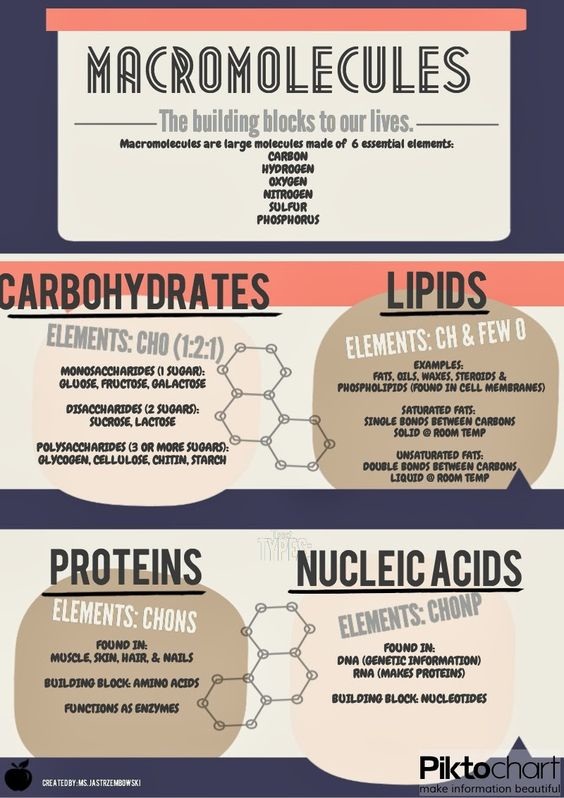
Organic Compounds (Macromolecules) PHHS Biology

Macromolecules Poster Pack Macromolecules, Biology classroom, Middle
The Pamphlet Has 6 Sides/Pages And Needs To Contain The.
The Four Important Classes Of.
Macromolecules Are Large Structures Made Up Of Atoms And Smaller Molecular Structures.
There Are 4 Major Biological Macromolecules:
Related Post:
